Saint Petersburg Tile Roof Cleaning. They don't get much blacker. Take a look!
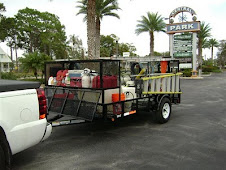
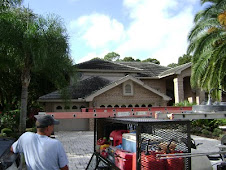
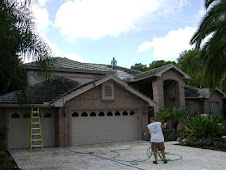
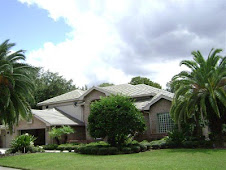
This was a Tile Roof that we Cleaned today in Saint Petersburg Fl. This was the neighbor across the street from a Tile Roof that we Cleaned last week. This Tile roof had not been touched in the last 12yrs and was completely black with mold. This Roof took 3 coats of material to kill off all the mold and mother nature will do the rinsing to remove all the dead residue. We also Pressure Washed their Concrete Driveway as an add on to the Roof Cleaning.
__________________
All Surface Roof Cleaning
(727) 543-3276
Tile Roof Cleaning�Palm Harbor�Florida
Larry Millette
Roof Cleaning & Pressure Washing Florida.
Roof Cleaners Clearwater, Pressure Washers Florida Roof Cleaners Saint, Petersburg FL
We are proud to be servicing the following areas in Pinellas County and the Tampa Bay area: Saint Petersburg Florida, Palm Harbor, Feather Sound, Safety Harbor, Clearwater, Clearwater Beach, Countryside, Oldsmar,East lake Woodlads, Tarpon Springs, Largo,Seminole FL, Dunedin, Belleair, Belleair Beach, Indian Rocks, Indian Rocks Beach, Madeira Beach, Treasure Island and Holiday Florida. We also Provide Tile/ Shingle Roof Cleaning and Pressure Washing in Hillsborough County, Pasco County, and Manatee County as well. Including the following Pinellas County and Tampa Bay Florida area zip codes:
33701 · 33702 · 33703 · 33704 · 33705 · 33706 · 33707 · 33708 · 33709 · 33710
33711 · 33712 · 33713 · 33714 · 33715 · 33716 · 33730 · 33755 · 33756 · 33759
33760 · 33761 · 33762 · 33763 · 33764 · 33765 · 33767 · 33770 · 33771 · 33772
33773 · 33774 · 33776 · 33777 · 33778 · 33781 · 33782 · 33785 · 33786 · 34677
34683 · 34684 · 34685 · 34688 · 34689 · 34695 · 34698
http://www.youtube.com/watch?v=k-olMI5YGjc&list=LLTfymUgOeBE3f63aTjEGhXw&feature=mh_lolz
florida , pinellas county , pressure cleaning florida , roof cleaning companies , shingle roof cleaning , tile roof cleaners
About Me
+(Small).jpg)
- All Surface Roof Cleaning and Pressure Washing of Pinellas County Florida
- Saint Petersburg, Florida, United States
- We specialize in Non pressure Roof Cleaning/Washing for Tile/Shingle Roofs,Driveways,Walkways,Pavers etc. We also Clean Exteriors of Homes/Buisinesses/Commercial Bldgs using a Soft Wash Cleaning Method. 727-543-3276 http://www.aspc.us Saint Petersburg Florida, Palm Harbor, Feather Sound, Safety Harbor, Clearwater, Countryside, Oldsmar,East lake Woodlads, Tarpon Springs, Largo,Seminole FL, Dunedin, Belleair, Belleair Beach, Indian Rocks, Indian Rocks Beach, Madeira Beach and Treasure Island. We also Provide Tile/ Shingle Roof Cleaning and Pressure Washing in Hillsborough County and Manatee County as well. Looking for the Highest Quality and Dependability? Call Us Today! Licenced and Insured for your protection and as Always, Estimates are FREE- 727-543-3276
Showing posts with label Pinellas County. Show all posts
Showing posts with label Pinellas County. Show all posts
Wednesday, July 27, 2011

Palm Harbor Florida Roof Cleaning And Pressure Washing. 727-543-3276
Palm Harbor Certified Roof Cleaners. 727-543-3276 Safe Non Pressure Roof Cleaning! Rate this Entry
Looking For A Roof Cleaner In Palm Harbor FL? Visit Us Here!
Roof Cleaning And Pressure Washing By All Surface Pressure Cleaning Inc. Blog
This was a Tile Roof in Palm Harbor Florida that we cleaned for a contractor who renovates and flips homes. We have been doing all of their Roof Cleanings and Pressure Washing for a couple of years now. This Tile Roof was BLACK and had not been cleaned in years. Here are a few before and afters of that job.


Call Us Today For A Cleaner Tomorrow! 727-543-3276 www.aspc.us
__________________
All Surface Roof Cleaning And Pressure Washing.
(727) 543-3276
Tile Roof Cleaning�Palm Harbor�Florida
Roof Cleaners Clearwater, Pressure Washers Florida ,Roof Cleaners Saint, Petersburg FL
We are proud to be servicing the following areas in Pinellas County and the Tampa Bay area: Saint Petersburg Florida, Palm Harbor, Feather Sound, Safety Harbor, Clearwater, Clearwater Beach, Countryside, Oldsmar,East lake Woodlads, Tarpon Springs, Largo,Seminole FL, Dunedin, Belleair, Belleair Beach, Indian Rocks, Indian Rocks Beach, Madeira Beach, Treasure Island and Holiday Florida. We also Provide Tile/ Shingle Roof Cleaning and Pressure Washing in Hillsborough County, Pasco County, and Manatee County as well. Including the following Pinellas County and Tampa Bay Florida area zip codes:
33701 · 33702 · 33703 · 33704 · 33705 · 33706 · 33707 · 33708 · 33709 · 33710
33711 · 33712 · 33713 · 33714 · 33715 · 33716 · 33730 · 33755 · 33756 · 33759
33760 · 33761 · 33762 · 33763 · 33764 · 33765 · 33767 · 33770 · 33771 · 33772
33773 · 33774 · 33776 · 33777 · 33778 · 33781 · 33782 · 33785 · 33786 · 34677
34683 · 34684 · 34685 · 34688 · 34689 · 34695 · 34698
http://www.youtube.com/watch?v=k-olMI5YGjc&list=LLTfymUgOeBE3f63aTjEGhXw&feature=mh_lolz
.
palm harbor florida , pinellas county , pressure washing , roof cleaning companies , roof cleaning service , shingle roof cleaning , tampa bay , tile roof cleaners
Looking For A Roof Cleaner In Palm Harbor FL? Visit Us Here!
Roof Cleaning And Pressure Washing By All Surface Pressure Cleaning Inc. Blog
This was a Tile Roof in Palm Harbor Florida that we cleaned for a contractor who renovates and flips homes. We have been doing all of their Roof Cleanings and Pressure Washing for a couple of years now. This Tile Roof was BLACK and had not been cleaned in years. Here are a few before and afters of that job.
Call Us Today For A Cleaner Tomorrow! 727-543-3276 www.aspc.us
__________________
All Surface Roof Cleaning And Pressure Washing.
(727) 543-3276
Tile Roof Cleaning�Palm Harbor�Florida
Roof Cleaners Clearwater, Pressure Washers Florida ,Roof Cleaners Saint, Petersburg FL
We are proud to be servicing the following areas in Pinellas County and the Tampa Bay area: Saint Petersburg Florida, Palm Harbor, Feather Sound, Safety Harbor, Clearwater, Clearwater Beach, Countryside, Oldsmar,East lake Woodlads, Tarpon Springs, Largo,Seminole FL, Dunedin, Belleair, Belleair Beach, Indian Rocks, Indian Rocks Beach, Madeira Beach, Treasure Island and Holiday Florida. We also Provide Tile/ Shingle Roof Cleaning and Pressure Washing in Hillsborough County, Pasco County, and Manatee County as well. Including the following Pinellas County and Tampa Bay Florida area zip codes:
33701 · 33702 · 33703 · 33704 · 33705 · 33706 · 33707 · 33708 · 33709 · 33710
33711 · 33712 · 33713 · 33714 · 33715 · 33716 · 33730 · 33755 · 33756 · 33759
33760 · 33761 · 33762 · 33763 · 33764 · 33765 · 33767 · 33770 · 33771 · 33772
33773 · 33774 · 33776 · 33777 · 33778 · 33781 · 33782 · 33785 · 33786 · 34677
34683 · 34684 · 34685 · 34688 · 34689 · 34695 · 34698
http://www.youtube.com/watch?v=k-olMI5YGjc&list=LLTfymUgOeBE3f63aTjEGhXw&feature=mh_lolz
.
palm harbor florida , pinellas county , pressure washing , roof cleaning companies , roof cleaning service , shingle roof cleaning , tampa bay , tile roof cleaners
Friday, January 22, 2010
Can A Dirty Roof Make you Sick? Read Here!
Can A Dirty Roof Make You Sick? Read What A Doctor Has To Say!
According to Dr. Victor H Morgenroth, who is a semi-retired adjunct professor at UM
the " dirt " on roofs could actually be causing illness. Here is an excerpt from an article that was written by Dr. Morgenroth.
Having your roof cleaned actually makes sense.
It isn't just aesthetics. While people like to say that dirty roofs lower a property's value and may make it hard to sell, the "dirt" on a roof actually shortens its life span and can even present a health hazard. Furthermore, the "dark stains" on a roof act as a sponge to absorb the sun's heat, which causes a rise in the temperature inside a home or building, creating higher air conditioning bills.
The dirt isn't just dust – It's alive. Some of the black or very dark roof stains are caused by a resilient type of algae,Gloeocapsa magma (a type of blue-green algae commonly found in climates with warm, humid summers). The algae grow in standing water, as well as in our lakes and ponds. The algal spores are carried to our roofs from the water sources by the wind and birds, and then from roof to roof where it grows and feeds on the limestone filler in asphalt shingles and the real dirt on tile roofs maybe in some cases the tiles themselves. Worse still, as the algae grow, they retain water and foster the growth of other roof inhabitants.
The black stains are also very likely to harbor a number of molds or fungi. Unlike algae the fungi on our roofs lacks chlorophyll. They are unable to manufacture food from raw materials. So, it must get nutrition from some form of organic matter. To thrive, these heterotrophs, who used to be called saprophytes, also require a warm, humid environment.
Fungi normally begin their life cycle as an airborne spore that settles on roofs, especially the asphalt-shingle ones. The spores on the northern exposure of the roof stand a better chance of survival because that portion of the roof is the last part to dry after a rain or morning dew. This raises the humidity on the surface of the shingle, thus creating a perfect feeding and breeding ground.
The tar used in roofing is fossilized, dead organic matter -- and an important food source for fungi. Asphalt, at the granule base, is normally consumed first. Once these granules dislodge, accelerated deterioration will occur. Ceramic granules represent the outer hard shell that protects against hail and other falling debris. Ceramic granules protect against damaging UV radiation and insulate the roof against extreme heat. So you can understand that their dislodgement by the growing fungal colonies can be detrimental to our roofs' longevity. Surprisingly, the blue-green algae are also food for the fungi.
While not all mold (fungi) and algae pose a health danger, some are harmful, especially for us older folks, younger children and people who suffer from asthma and respiratory problems. Their spores, which are on your roof, can get inside your home because they end up on the driveway and walkways from rain, and are easily tracked inside. They can even be drawn into our air conditioning systems and eventually populate our ducts.
Different mold species can have varying health effects, but it is important to remember that any excessive mold growth needs to be taken care of, regardless of the species. Any excessive mold growth can lead to increased allergies, toxicity, and house/building structural problems.
According to Dr. Victor H Morgenroth, who is a semi-retired adjunct professor at UM
the " dirt " on roofs could actually be causing illness. Here is an excerpt from an article that was written by Dr. Morgenroth.
Having your roof cleaned actually makes sense.
It isn't just aesthetics. While people like to say that dirty roofs lower a property's value and may make it hard to sell, the "dirt" on a roof actually shortens its life span and can even present a health hazard. Furthermore, the "dark stains" on a roof act as a sponge to absorb the sun's heat, which causes a rise in the temperature inside a home or building, creating higher air conditioning bills.
The dirt isn't just dust – It's alive. Some of the black or very dark roof stains are caused by a resilient type of algae,Gloeocapsa magma (a type of blue-green algae commonly found in climates with warm, humid summers). The algae grow in standing water, as well as in our lakes and ponds. The algal spores are carried to our roofs from the water sources by the wind and birds, and then from roof to roof where it grows and feeds on the limestone filler in asphalt shingles and the real dirt on tile roofs maybe in some cases the tiles themselves. Worse still, as the algae grow, they retain water and foster the growth of other roof inhabitants.
The black stains are also very likely to harbor a number of molds or fungi. Unlike algae the fungi on our roofs lacks chlorophyll. They are unable to manufacture food from raw materials. So, it must get nutrition from some form of organic matter. To thrive, these heterotrophs, who used to be called saprophytes, also require a warm, humid environment.
Fungi normally begin their life cycle as an airborne spore that settles on roofs, especially the asphalt-shingle ones. The spores on the northern exposure of the roof stand a better chance of survival because that portion of the roof is the last part to dry after a rain or morning dew. This raises the humidity on the surface of the shingle, thus creating a perfect feeding and breeding ground.
The tar used in roofing is fossilized, dead organic matter -- and an important food source for fungi. Asphalt, at the granule base, is normally consumed first. Once these granules dislodge, accelerated deterioration will occur. Ceramic granules represent the outer hard shell that protects against hail and other falling debris. Ceramic granules protect against damaging UV radiation and insulate the roof against extreme heat. So you can understand that their dislodgement by the growing fungal colonies can be detrimental to our roofs' longevity. Surprisingly, the blue-green algae are also food for the fungi.
While not all mold (fungi) and algae pose a health danger, some are harmful, especially for us older folks, younger children and people who suffer from asthma and respiratory problems. Their spores, which are on your roof, can get inside your home because they end up on the driveway and walkways from rain, and are easily tracked inside. They can even be drawn into our air conditioning systems and eventually populate our ducts.
Different mold species can have varying health effects, but it is important to remember that any excessive mold growth needs to be taken care of, regardless of the species. Any excessive mold growth can lead to increased allergies, toxicity, and house/building structural problems.
.jpg)
.jpg)
Sunday, November 22, 2009
Roof Cleaning and Power Washing NCE Event!
Roof Cleaning and Power Washing NCE Event!
Posted 6 Minutes Ago at 05:26 AM by Larry Millette
Tags pinellas county florida , pressure washing service , roof cleaning company
Last weekend I attended the Texas Round Table in Fort Worth. This was an event filled with tons of Marketing ideas and some of the latest technology in Power Washing Equipment. It was a fantastic event and it was really great getting to see some old friends again. Lots of prizes were given away including a Hot Water Pressure Washing skid valued at over $5000.00 http://www.propowerwash.com/board/up...ighlight=texas
Posted 6 Minutes Ago at 05:26 AM by Larry Millette
Tags pinellas county florida , pressure washing service , roof cleaning company
Last weekend I attended the Texas Round Table in Fort Worth. This was an event filled with tons of Marketing ideas and some of the latest technology in Power Washing Equipment. It was a fantastic event and it was really great getting to see some old friends again. Lots of prizes were given away including a Hot Water Pressure Washing skid valued at over $5000.00 http://www.propowerwash.com/board/up...ighlight=texas
Sunday, November 8, 2009
Pressure Washer Injured In Chemical Explosion!
Pressure Washer Injured In Chemical Explosion!
Posted 21 Minutes Ago at 09:40 AM by Larry Millette
Tags pressure washing company , roof cleaning , roof cleaning education
Pressure Cleaner Injured In Chemical ExplosionVictim Suffers Burns To Chest, Laceration To CheekROYAL PALM BEACH, Fla. -- A pressure cleaner was injured after some chemicals he was mixing exploded. The incident occurred at about 11 a.m. outside 128 Derby Lane.
Fire-rescue crews inspect the chemicals... See the entire article and video here...
Continue reading...
Posted 21 Minutes Ago at 09:40 AM by Larry Millette
Tags pressure washing company , roof cleaning , roof cleaning education
Pressure Cleaner Injured In Chemical ExplosionVictim Suffers Burns To Chest, Laceration To CheekROYAL PALM BEACH, Fla. -- A pressure cleaner was injured after some chemicals he was mixing exploded. The incident occurred at about 11 a.m. outside 128 Derby Lane.
Fire-rescue crews inspect the chemicals... See the entire article and video here...
Continue reading...
Friday, November 6, 2009
Shingle Roof Cleaning Pinellas County Florida
Here is a very interesting Roof Cleaning article I ran into today. Very good read for someone interested in having their Shingle Roof Cleaned.
Chronicles of a retired home inspector ROOF CLEANING
POSTED: September 28, 2009
Save Print Email Read comments Post a comment
Email: "Chronicles of a retired home inspector ROOF CLEANING"
http://www.post-journal.com/page/content.detail/id/541138.html?nav=80
By DICK SENA, RETIRED HOME INSPECTOR, ASHVILLE, NY
Regardless of what the calendar says, Fall is here. Leaves changing and falling, cool evenings, dew on the vehicles every morning, and all of those projects that need to be done before the white stuff arrives. Lately I have had several people ask me the same questions, what is the black “stuff” on my roofing shingles? Can I get rid of it before winter? And how can I prevent it? Well, I have first hand experience with it because I dealt with it on my own house last year after watching it get worse over the two previous years. Just look around, you will see this in various degrees everywhere you drive. Mine showed up on relatively new roof of 8 years old at the time. I first contacted our regional GAF roofing representative several years ago after noticing it on so many roofs I inspected. As I climbed roof after roof I looked around neighborhoods and saw the dark blotches and streaks on the majority of homes. Of course he was very aware of the issue as he said he fields the same question many times per week. He explained it was an air born fungus that has migrated from the south. As he explained, I recalled all the blackened roofs on trips I’ve taken to Florida in the past. He said as it has made its way North, similar to a virus or an invasive species. Companies have experimented with additives to shingle granular to combat the problem. Shingle manufacturers like G.A.F. started adding zinc to the composition of their shingles. Many of you may have heard or seen the zinc strips on roofs that leach zinc compound onto the roof leaving a protective film called metal salts that mildew, mold, moss, etc. won’t grow on. I noticed this action years ago. Early in my construction days all shingles under pipe penetrations with galvanized flashings were perfectly clean. Galvanized metal has zinc in it. Copper flashings had similar effects. Someone had an "ah ha" moment and came up with full-length strips of zinc. I’ve used them with fairly good results and have some on my home. However, they did not control the airborne fungus although it worked great for moss growth.
It’s a complicated problem. Black roof algae as it’s commonly known as, is very common effecting 80% of the U.S. I’ve researched the problem and the hot humid states are the worst. A Florida home can be completely covered within four years while we see it sparingly on mainly north facing roofs. Black fungal growth can damage shingles and shorten life spans. Three methods of cleaning are suggested. 1. Trisodium Phosphate (TSP) and a touch of liquid soap. 2. Oxygen bleach 3. TSP 1 cup Bleach 1 gallon Water 4 gallons mixture There are many roof cleaners on the market but most are very expensive and require washing, brushing, etc. The most important thing is to be as gentle as possible. DO NOT POWERWASH! If you hire someone to clean your roof and they want to use a power washer even at a low pressure, tell them to take a hike, nicely of course. Any brushing, scrubbing, or pressure washing will remove the mineral gradules and limit the manufacturers warrantied lifespan of the shingles. I used Clorox. I know some people will disagree with me but it worked great. I treated the streaks with full strength in a pump sprayer, then I did the entire roof (only north side effected) with a 50/50 mix to even it out, hosed it off and with no effort it came off and has stayed off for 2 years. It did not kill any grass, flowers or plants. And hardly any grandules were lost. Of course no matter what you do, wet everything down first, don’t try it in full sun, cover and protect what you can and be careful! Stay off of steep roofs without fall protection, and make sure if you hire someone, they know what they are doing and that they have good insurance.
A few other points. Moss is also a problem. You will have to scrape it off first before washing. Lichens, often confused with black algae, are growths that look lace like. They eat into the shingle and can cause holes, I’ve also seen them on my roof and they really stick on the shingles. I treated them and left them on because when I scraped them off, it took the grandules with it. Finally if cleaning doesn’t work then you may have a defective shingle. The problem is called extractive bleeding and a supplier or reputable roofing contractor can help you out if needed.
Sticking with the roofing theme, if you need a roof, get ready for a shock, sticker shock that is. Shingles have skyrocketed and just went up another 5% on September 1st. Labor has always been high due to the extremely high cost of insurance, roofers have the highest cost per $100 for workman’s comp insurance. It’s been said that there is a shortage of asphalt due to the stimulus package road construction in the country. I'd like to know where because we surely don’t see any. I think most of you would agree we deserve a little of that money and they can start with I-86 from Salamanca to the PA border!
I’ve written in the past a lot about roofing and the high percentage of homes that needed roofs during my inspection years. Be careful when it comes to having an inspector look at a roof on the house you might buy or at that matter, a roofer pricing out a new roof. I’ve heard so many stories about additional costs of removal because of hidden roof layers. I’ve said it before and it’s worth repeating, don’t use an inspector that doesn’t go on the roof. You just can’t see everything from the ground. Just last week someone told me that their inspector refused to go onto the roof. This leads me into the story about hidden layers. Although I’ve seen it many times, roofers covering up the ends and edges with drip edge to make it appear like one layer, this was excessive. I was called in to do a structural inspection of an attic where the roof sagged in multiple areas. I noticed right away an extra wide drip edge, a custom made one I thought because I’ve never seen one so large. (A drip edge is the metal edging going around the roof to form a more durable edge and to create a drip lip to help funnel water into a gutter or away from siding and trim) Once inside the attic I found several split rafters and heavily stressed ridge boards and valley rafters, this was an old home with strong durable old growth lumber so experience told me that it wasn’t just the framing or heavy snow loads creating this problem. I went up on the roof that didn’t look too old and bent up the metal edge and found 5 layers of shingles! This incredible amount of weight the roof was never designed for was splitting and cracking rafters. Add snow load and you are asking for a disaster. I found out later, the previous inspector checked off 1 layer of roofing on his report. The most I found was 7 layers of a porch/foyer roof. The top layer was nailed with 3 inch roofing nails! Be smart; don’t be afraid to question people. It’s sad how many hidden problems I’ve found over the years and it burns me when it’s all about cheating someone or being too lazy to climb a roof, crawl into an attic or crawl space. Please always use the utmost caution when going onto a roof.
Thanks to all my readers and all the positive comments I’ve received and as always don’t hesitate to suggest a topic or ask a question. Until next time.
Dick received his Construction Technology Degree from Alfred State Building. He has taught adult education classes in building technology for several years for Jamestown Community College. He has over 30 years construction experience and twenty-three years with “Dick Sena’s Custom Building and Remodeling, Inc.” His experiences also include twenty-three years of home inspection experience with “Home Inspection Services of Jamestown, Inc.” After several years with the town of North Harmony planning board he is now an official town councilman.He is on the planning board town of North Harmony and has spent a number of years coaching girl’s softball. He and his wife, Carol, live with their four daughters in Ashville, NY.
Subscribe to Post-Journal
Chronicles of a retired home inspector ROOF CLEANING
POSTED: September 28, 2009
Save Print Email Read comments Post a comment
Email: "Chronicles of a retired home inspector ROOF CLEANING"
http://www.post-journal.com/page/content.detail/id/541138.html?nav=80
By DICK SENA, RETIRED HOME INSPECTOR, ASHVILLE, NY
Regardless of what the calendar says, Fall is here. Leaves changing and falling, cool evenings, dew on the vehicles every morning, and all of those projects that need to be done before the white stuff arrives. Lately I have had several people ask me the same questions, what is the black “stuff” on my roofing shingles? Can I get rid of it before winter? And how can I prevent it? Well, I have first hand experience with it because I dealt with it on my own house last year after watching it get worse over the two previous years. Just look around, you will see this in various degrees everywhere you drive. Mine showed up on relatively new roof of 8 years old at the time. I first contacted our regional GAF roofing representative several years ago after noticing it on so many roofs I inspected. As I climbed roof after roof I looked around neighborhoods and saw the dark blotches and streaks on the majority of homes. Of course he was very aware of the issue as he said he fields the same question many times per week. He explained it was an air born fungus that has migrated from the south. As he explained, I recalled all the blackened roofs on trips I’ve taken to Florida in the past. He said as it has made its way North, similar to a virus or an invasive species. Companies have experimented with additives to shingle granular to combat the problem. Shingle manufacturers like G.A.F. started adding zinc to the composition of their shingles. Many of you may have heard or seen the zinc strips on roofs that leach zinc compound onto the roof leaving a protective film called metal salts that mildew, mold, moss, etc. won’t grow on. I noticed this action years ago. Early in my construction days all shingles under pipe penetrations with galvanized flashings were perfectly clean. Galvanized metal has zinc in it. Copper flashings had similar effects. Someone had an "ah ha" moment and came up with full-length strips of zinc. I’ve used them with fairly good results and have some on my home. However, they did not control the airborne fungus although it worked great for moss growth.
It’s a complicated problem. Black roof algae as it’s commonly known as, is very common effecting 80% of the U.S. I’ve researched the problem and the hot humid states are the worst. A Florida home can be completely covered within four years while we see it sparingly on mainly north facing roofs. Black fungal growth can damage shingles and shorten life spans. Three methods of cleaning are suggested. 1. Trisodium Phosphate (TSP) and a touch of liquid soap. 2. Oxygen bleach 3. TSP 1 cup Bleach 1 gallon Water 4 gallons mixture There are many roof cleaners on the market but most are very expensive and require washing, brushing, etc. The most important thing is to be as gentle as possible. DO NOT POWERWASH! If you hire someone to clean your roof and they want to use a power washer even at a low pressure, tell them to take a hike, nicely of course. Any brushing, scrubbing, or pressure washing will remove the mineral gradules and limit the manufacturers warrantied lifespan of the shingles. I used Clorox. I know some people will disagree with me but it worked great. I treated the streaks with full strength in a pump sprayer, then I did the entire roof (only north side effected) with a 50/50 mix to even it out, hosed it off and with no effort it came off and has stayed off for 2 years. It did not kill any grass, flowers or plants. And hardly any grandules were lost. Of course no matter what you do, wet everything down first, don’t try it in full sun, cover and protect what you can and be careful! Stay off of steep roofs without fall protection, and make sure if you hire someone, they know what they are doing and that they have good insurance.
A few other points. Moss is also a problem. You will have to scrape it off first before washing. Lichens, often confused with black algae, are growths that look lace like. They eat into the shingle and can cause holes, I’ve also seen them on my roof and they really stick on the shingles. I treated them and left them on because when I scraped them off, it took the grandules with it. Finally if cleaning doesn’t work then you may have a defective shingle. The problem is called extractive bleeding and a supplier or reputable roofing contractor can help you out if needed.
Sticking with the roofing theme, if you need a roof, get ready for a shock, sticker shock that is. Shingles have skyrocketed and just went up another 5% on September 1st. Labor has always been high due to the extremely high cost of insurance, roofers have the highest cost per $100 for workman’s comp insurance. It’s been said that there is a shortage of asphalt due to the stimulus package road construction in the country. I'd like to know where because we surely don’t see any. I think most of you would agree we deserve a little of that money and they can start with I-86 from Salamanca to the PA border!
I’ve written in the past a lot about roofing and the high percentage of homes that needed roofs during my inspection years. Be careful when it comes to having an inspector look at a roof on the house you might buy or at that matter, a roofer pricing out a new roof. I’ve heard so many stories about additional costs of removal because of hidden roof layers. I’ve said it before and it’s worth repeating, don’t use an inspector that doesn’t go on the roof. You just can’t see everything from the ground. Just last week someone told me that their inspector refused to go onto the roof. This leads me into the story about hidden layers. Although I’ve seen it many times, roofers covering up the ends and edges with drip edge to make it appear like one layer, this was excessive. I was called in to do a structural inspection of an attic where the roof sagged in multiple areas. I noticed right away an extra wide drip edge, a custom made one I thought because I’ve never seen one so large. (A drip edge is the metal edging going around the roof to form a more durable edge and to create a drip lip to help funnel water into a gutter or away from siding and trim) Once inside the attic I found several split rafters and heavily stressed ridge boards and valley rafters, this was an old home with strong durable old growth lumber so experience told me that it wasn’t just the framing or heavy snow loads creating this problem. I went up on the roof that didn’t look too old and bent up the metal edge and found 5 layers of shingles! This incredible amount of weight the roof was never designed for was splitting and cracking rafters. Add snow load and you are asking for a disaster. I found out later, the previous inspector checked off 1 layer of roofing on his report. The most I found was 7 layers of a porch/foyer roof. The top layer was nailed with 3 inch roofing nails! Be smart; don’t be afraid to question people. It’s sad how many hidden problems I’ve found over the years and it burns me when it’s all about cheating someone or being too lazy to climb a roof, crawl into an attic or crawl space. Please always use the utmost caution when going onto a roof.
Thanks to all my readers and all the positive comments I’ve received and as always don’t hesitate to suggest a topic or ask a question. Until next time.
Dick received his Construction Technology Degree from Alfred State Building. He has taught adult education classes in building technology for several years for Jamestown Community College. He has over 30 years construction experience and twenty-three years with “Dick Sena’s Custom Building and Remodeling, Inc.” His experiences also include twenty-three years of home inspection experience with “Home Inspection Services of Jamestown, Inc.” After several years with the town of North Harmony planning board he is now an official town councilman.He is on the planning board town of North Harmony and has spent a number of years coaching girl’s softball. He and his wife, Carol, live with their four daughters in Ashville, NY.
Subscribe to Post-Journal
Subscribe to:
Posts (Atom)


.jpg)
.jpg)
.jpg)
.jpg)
